The Hidden Revenue Damage Caused by Weak Inbound Booking Coverage
The real problem is not just ringing phones — it is inconsistent coverage across peak hours, after-hours, and field-heavy periods that lets demand slip through the cracks.
Inbound Coverage Gaps Are Revenue Gaps
Most HVAC companies think about inbound calls as a binary: either the phone is being answered or it is not. But the real picture is more nuanced. Coverage quality varies throughout the day, throughout the week, and throughout the season — and every gap represents potential revenue loss.
Where Inbound Gaps Occur
The most common coverage gaps in HVAC businesses follow predictable patterns:
- Lunch breaks: Even a 30-minute coverage gap during the middle of the day can mean 3–5 missed calls during peak periods. That is 3–5 homeowners who needed service right now and called someone else.
- Peak demand surges: On the hottest day of summer or the coldest night of winter, call volume spikes. If the office has one or two people handling inbound, the overflow goes unanswered.
- After-hours and weekends: Emergencies do not wait for business hours. Voicemail does not book jobs. An after-hours caller who reaches voicemail will call the next company that answers live.
- Field distractions: When the owner or senior tech is running calls, their inbound coverage capacity drops to zero. If they are the primary or secondary call handler, the business is effectively unmanned during field hours.
Weak Coverage Reduces Close Rates Before Sales Begins
Inbound call capture is the first stage of the sales process. Before pricing, before dispatching, before the tech arrives — someone has to answer the phone, qualify the call, and book the job. When that step is inconsistent, the close rate drops before the real sales process even starts.
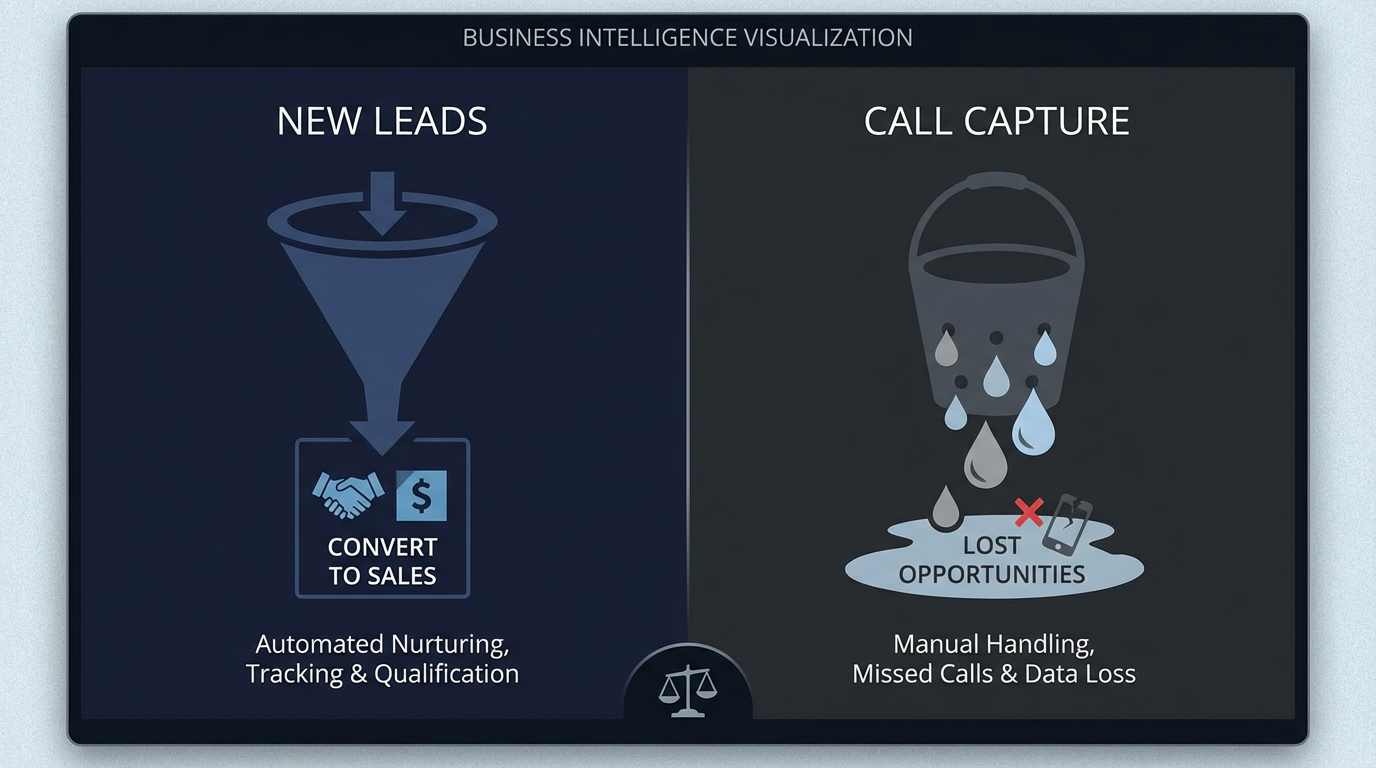
A company that answers 85% of calls versus 65% of calls may not feel that 20-point gap on any given day. But over the course of a month, that gap could represent 40 to 60 lost booking opportunities — easily $14,000 to $21,000 in missed revenue for a mid-sized operation.
The Illusion of Coverage
Many HVAC owners believe they have inbound coverage because someone is usually in the office. But "usually" and "someone" are not the same as consistent, trained, full-coverage call handling. Common illusions of coverage include:
- Office manager who also handles accounts receivable, scheduling, and walk-ins
- Answering service that takes messages but does not book jobs
- Owner's cell phone as the backup line, which goes unanswered during field work
In each case, calls are technically being "handled" — but the quality and consistency of capture is far below what a dedicated booking system would produce.
Building Consistent Coverage
The fix does not always require hiring more staff. It requires recognizing that inbound call capture is a revenue function, not an administrative task, and treating it accordingly. That might mean adding after-hours live answering, implementing better call routing, or deploying an inbound booking agent that ensures every call gets answered, qualified, and captured.
Take the Profit Leak Finder to see whether weak inbound coverage is likely hurting your booked-job volume.
Run the Diagnostic
Take the Profit Leak Finder and discover where your HVAC business may be leaking revenue and margin.
Start the Profit Leak Finder